
Stamped concrete
What Is Stamped Concrete
Last updated
Stamped concrete is a decorative finish made with mats or texture skins while the concrete is fresh. Color can come from the mix, a surface treatment and an accent. It suits some driveways or patios. It can suit a walk when the texture fits its use. It still needs joints and curing, and a later repair may remain visible. Choose it from a finished sample and a defined scope.
Sections10
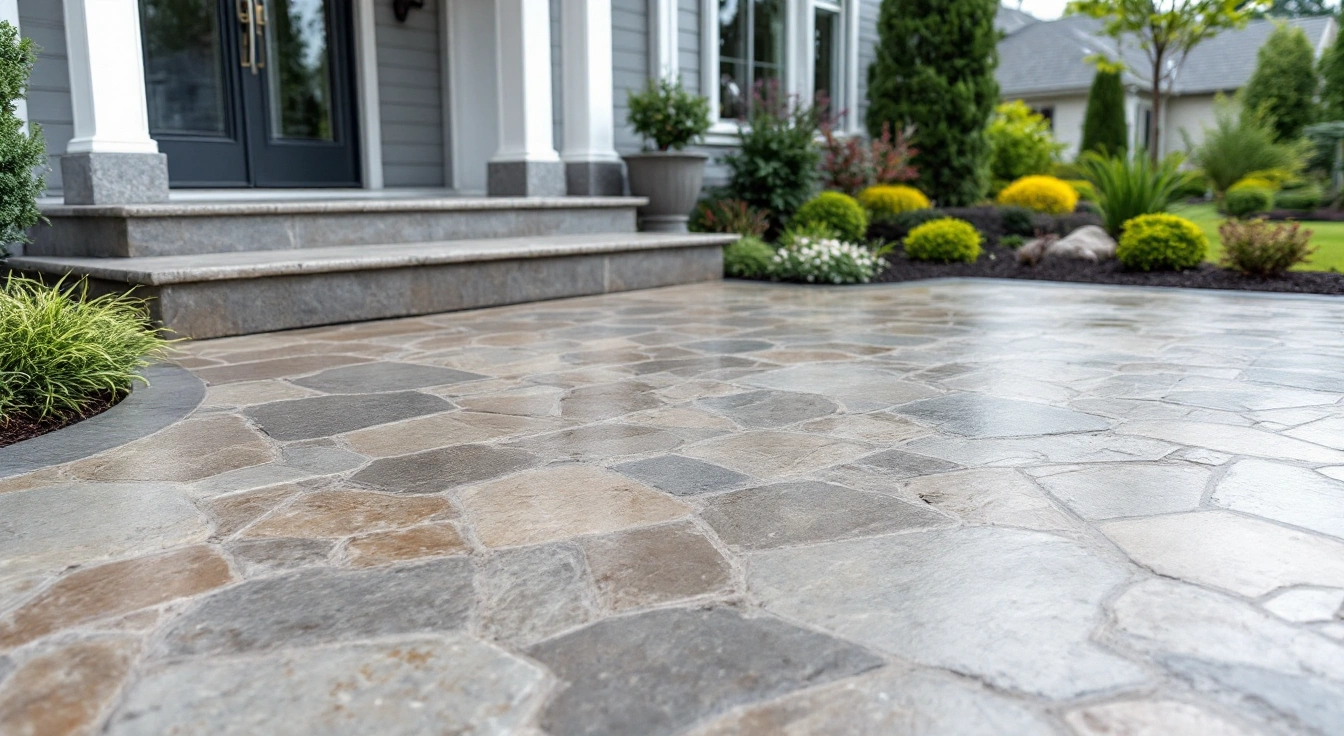
What is stamped concrete? It is concrete with a pattern or texture pressed into its fresh surface. The result can look like stone or brick.
Tile and wood patterns are available too. It remains a concrete slab. Appearance is one decision.
The slab and joints need their own plan, with drainage addressed too.
What is stamped concrete made from?
The slab contains concrete, which combines a cement binder with water and aggregate. The stamp gives the top a patterned face. A stone pattern does not turn the slab into separate pieces of stone.
A wood pattern does not make it a wood deck. This distinction matters when you compare repairs and movement.
The texture families and coloring methods in Solomon Colors' overview explain the manufacturer's finish systems. Use that information to compare appearances, not as a universal slab specification for every driveway or patio.
A new stamped slab differs from a thin decorative overlay placed over an existing surface. Don't compare the two prices as though they buy the same work. An overlay needs a suitable existing base and its own product instructions.
A new slab scope can include excavation and base work. The overlay price may exclude both, as well as the new concrete.
How the patterned surface is made
The installer prepares and places the concrete before pressing the pattern. The timing depends on the concrete and weather. Mats create a repeat of apparent blocks.
They can mimic boards or stones too. Texture skins give texture without the same fixed outline. The method requires a placing plan; it is not just a coating rolled onto a dry slab.
Color and release products fit into that placing sequence. They may affect the work stages and the cleanup. A quote should name the full finish.
Include the pattern and color method. Name any proposed sealer. “Stamped finish included” is too brief to tell you which appearance you will get.
This is a planning overview, not a timed installation recipe. NRMCA CIP 14 covers finishing practice. Conditions at the site still control when work can proceed.
A photo cannot show that the concrete was ready for stamping or correctly cured afterward.
Pattern and color decisions
| Finish decision | What you can check |
|---|---|
| Pattern family | Exact repeat, apparent unit size and direction |
| Base color | Integral pigment or surface color method |
| Accent | Selected release or stain and its expected variation |
| Border | Width, color and texture, with the transition detail |
| Surface protection | Named finish and maker's care instructions |
Scroll for more →
Use the pattern guide to compare scale and direction. Use the color guide to compare base and accent choices. Approve them together.
A color sample on one texture is not the whole finish you would get on another.
You can keep one pattern and color across the field, or add a border. Another option is a plain field with a stamped accent. These choices alter the work rather than only changing a picture.
Put the boundary on the plan and price it as part of the scope.
Where the finish can work
A patio needs a surface that works under furniture and along the path from the door. Check chair feet and small wheels on the sample. A heavily textured face can be inconvenient in a dining zone even when it looks good in an empty-space photograph.
Include drainage and threshold details in the same decision.
A driveway adds vehicle loads and street access. Stamping doesn't determine the slab thickness or mix requirements. Keep those specified separately.
The raised or recessed pattern also needs to fit the route where people walk from parked cars. A finish chosen only for its street view may not suit that daily use.
A private garden walk can use a decorative pattern, but public sidewalk work may have different local requirements. Confirm who controls the land and the permitted finish. Don't use a residential patio picture as approval for work in a public right-of-way.
Traction and drainage
Texture is one part of outdoor traction. The sealer and slope matter too. Check the surface condition. Don't turn the name of a pattern into a slip rating.
Inspect the proposed finish wet and dry. Ask for evidence relevant to the actual coating where a traction claim affects your decision.
Drainage needs a route to an allowed outlet. A patterned surface cannot cure a low point that traps water. Mark the intended falls and outlet on the plan.
Keep them clear of door thresholds and neighboring property. The pattern should follow the drainage plan rather than displace it.
On a shaded path, include leaves and normal cleaning in the use case. A surface that feels acceptable when clean may behave differently under debris. You don't need a promise that it is safe in every condition.
You need an honest account of the intended use and upkeep.
Joints, cracks and curing
NRMCA CIP 6 explains concrete slab joints. Decorative grooves are not proof that the required contraction or isolation details exist. A cut may cross the pattern.
Show the joint line before placing. Make it part of the agreed appearance.
Concrete can still crack away from planned joints. Reinforcement and a decorative finish don't remove every source of movement. Keep promises about a crack-free slab out of the scope.
Ask how later cracks and repairs would be assessed under the actual warranty terms.
NRMCA CIP 11, the 2017 curing leaflet, explains moisture and temperature control. Curing and opening to use are different questions. The surface looking dry does not prove adequate in-place strength.
Retain the curing method and loading release rather than relying on one day count from an image caption.
Maintenance and visible repairs
Stamped concrete needs a care plan for its actual finish system. Keep the maker's cleaning and coating instructions. A blanket resealing interval from a general guide may not match the product or exposure.
Inspect the surface and follow the stated method before adding another coat.
A patch must match more than the texture. Color, wear, age and gloss can make it stand out. Save the stamp and product records, but don't expect them to guarantee an invisible repair.
Where access to buried services is likely, compare this repair issue with paving units that can be lifted.
For a later extension, decide whether to attempt a match or use a deliberate contrasting strip. A new pour beside an older surface can look different. Include a sample or transition proposal before treating “match existing” as an easy line in the quote.
Comparing stamped concrete with pavers
Pavers are separate units laid as a system. Stamped concrete is a slab with an apparent unit pattern. Their base and edge details differ.
Compare the repair methods too. Compare a complete installed scope for each. A material-only price for pavers does not match an installed stamped-concrete price.
Don't assume all paver systems drain water through the pavement. That depends on the units and joints. The base design matters too. Don't assume a stamp pattern makes concrete porous either.
Drainage is a separate system decision, even when the surface looks like stones with gaps.
The stamped concrete cost guide separates the decorative work from excluded removal and site work. Use that distinction to define the finish before you compare project totals. There is no universal winner for every site or maintenance preference.
FAQ: stamped concrete
Is stamped concrete real concrete?
Yes. It is a concrete surface with a decorative pattern pressed into it while fresh. The finish may resemble other paving materials, but the underlying slab remains concrete.
Its joints and curing still matter. Keep the required slab details intact. A stone or brick look is not evidence of separate paving units or a different load capacity.
Can existing concrete be stamped?
Stamping a new slab happens while the concrete is fresh. Existing concrete may be a base for a suitable decorative overlay, which is a different system. Its condition and the overlay's instructions control the work.
Ask which method the quote includes before comparing a resurfacing price with new-slab construction.
Will a stamped pattern prevent cracks?
No pattern can promise that. Joints and the slab design address movement, while stamping creates the visible finish. A crack may cross apparent stones or boards.
Check the actual joint layout and curing plan. Keep crack-free guarantees separate from an honest explanation of what the decorative finish can do.
Is a sealed surface always better outdoors?
The proposed sealer has to suit the surface and its use. Check color and gloss. Traction and later care affect the decision too.
A shinier result is not proof of better outdoor performance. Check a finished sample and the exact product guidance. Avoid adding a coating based only on a photo of a wet-looking slab.
Verdict on what is stamped concrete
What is stamped concrete in practical terms? It is a finish choice on a concrete project. Choose the appearance from a sample. Retain the joint plan and curing requirements. Price the complete scope.
The look can guide your decision, but it should never substitute for the slab or drainage plan.
Plan the next part of your project
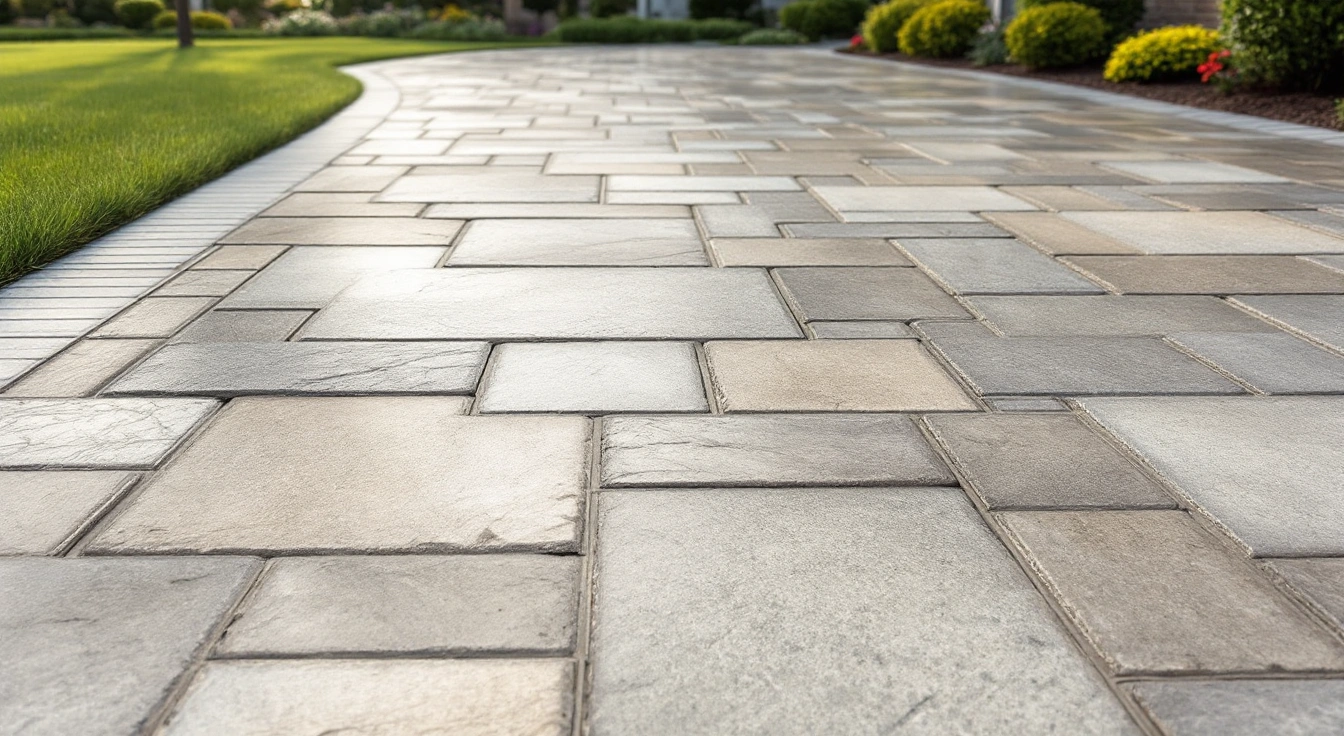
Stamped Concrete Colors
Compare labelled stamped concrete color swatches and base-accent methods. Check cured samples wet, dry and with the proposed sealer.
Read the guide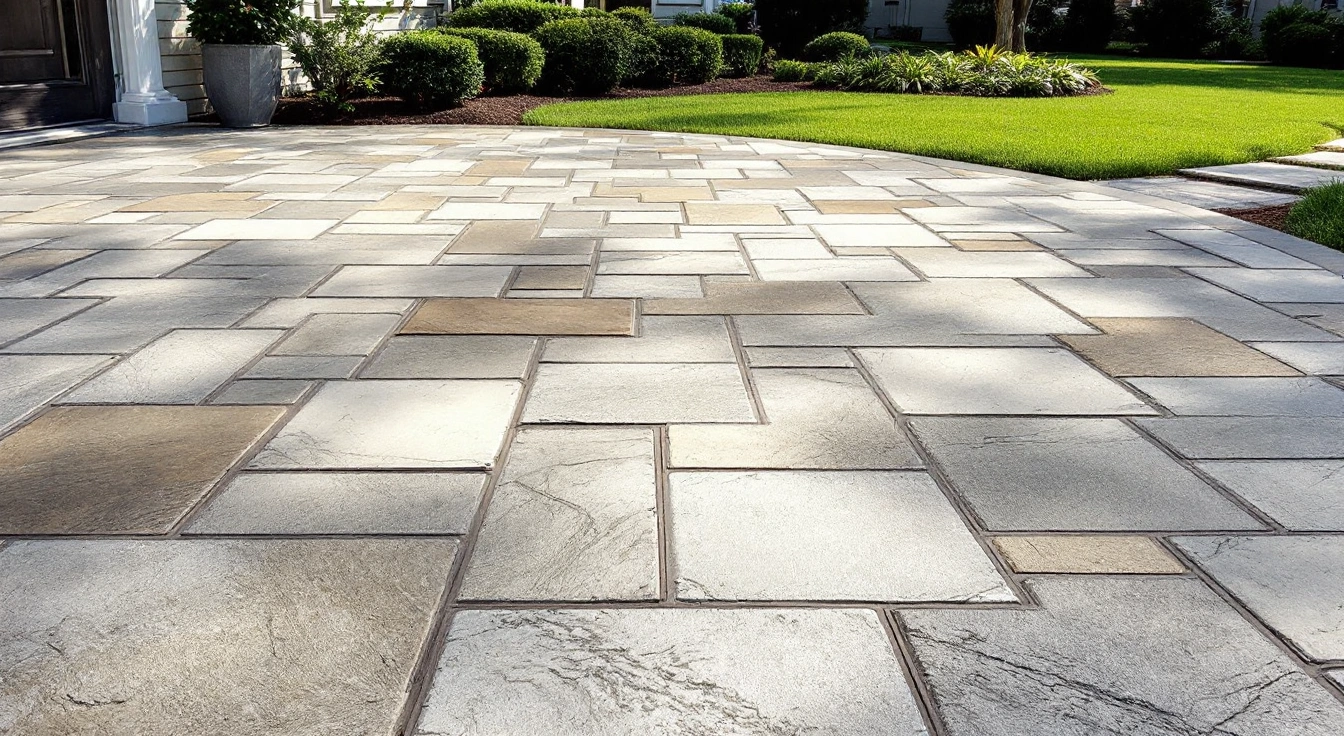
Stamped Concrete Cost
Compare dated stamped concrete cost ranges by finish scope. Separate pattern, color, borders, preparation, removal and unpriced work.
Read the guide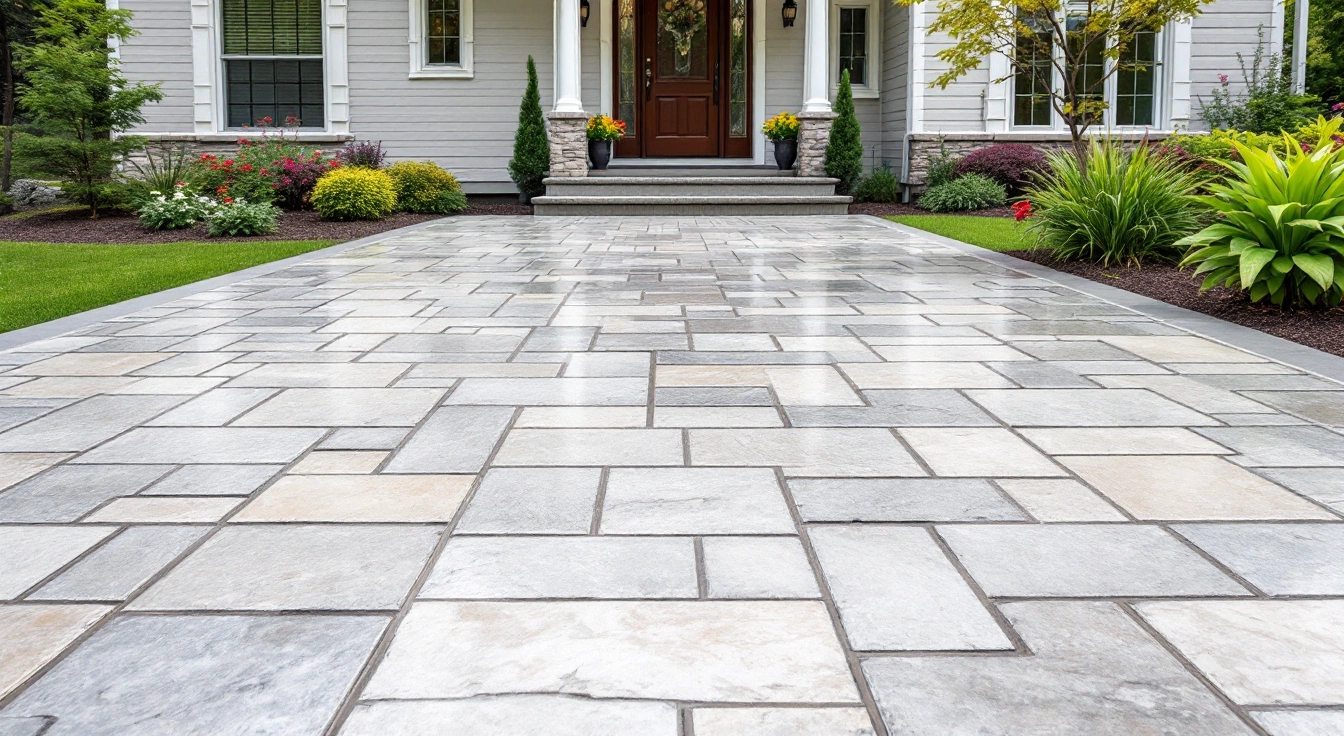
Stamped Concrete Patterns
Compare drawings of ashlar, random stone, brick, cobblestone, wood plank and texture skins. Check stamp scale, borders and real joints.
Read the guide